
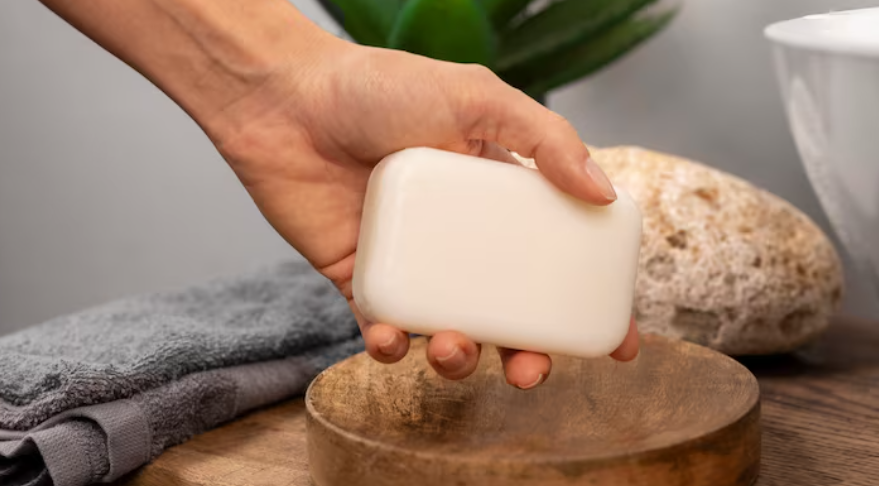
In the realm of personal hygiene, body soap serves as an essential cornerstone, pivotal in maintaining skin health and overall cleanliness. Developed through centuries of innovation, soap has evolved from rudimentary formulations to sophisticated cleansing agents meeting diverse skin needs. The wide array of options allows people to select a product that perfectly aligns with their individual preferences and skin types. To explore various cleansing options, take a look at the array available in body soap.
The Historical Evolution of Soap
The journey of soap dates back thousands of years, with the earliest recorded evidence traced to Babylon around 2800 BC. Originally crafted from a mix of animal fats and wood ash, these early soaps were primarily used for cleaning wool and cotton in textile industries. It wasn’t until later that soap became a staple of personal hygiene. By the time of the Roman Empire, bathing became an intrinsic part of daily life, and soap played a crucial role in public bathhouses.
The industrial revolution marked a significant turning point in soap production. Innovations in chemistry facilitated the mass production of soap, making it more accessible to the general population. Modern manufacturing processes now enable the creation of soaps with specific properties, catering to various skin conditions and preferences.
The Science Behind Soap
At its core, body soap operates on a simple yet effective principle: the emulsification of oils and dirt. Comprising surfactants, soap molecules have hydrophilic (water-attracting) heads and hydrophobic (water-repelling) tails. This dual nature enables them to dissolve the lipid-based debris on the skin, encapsulate it, and wash it away with water.
Many body soaps today incorporate additional ingredients such as moisturisers, antibacterials, and fragrances to enhance their functionality and user experience. These additions ensure the soap not only cleanses but also conditions the skin and provides a fresh scent.
Types of Body Soap
Bar Soaps
Bar soaps are perhaps the most traditional form, often lauded for their long-lasting nature and minimal packaging. Modern bar soaps are enriched with various oils, glycerin, and natural extracts to prevent skin from drying. Their compact nature makes them ideal for travel, and they are often praised for their eco-friendliness due to reduced plastic waste.
Liquid Soaps
Liquid body soaps, commonly found in the form of body washes or shower gels, offer a convenient option, especially in communal settings like gyms or dormitories. Formulated with added hydrating agents, such as aloe vera or shea butter, they cater to individuals with drier skin types.
Antibacterial Soaps
Antibacterial body soaps are designed to reduce and control bacterial growth on the skin. These soaps are infused with ingredients like triclosan or triclocarban, which provide a higher level of hygiene. However, overuse of such products can contribute to antibiotic resistance, making it crucial to use them judiciously.
Benefits of Using Body Soap
Utilising body soap as part of a daily hygiene routine offers several benefits beyond just physical cleanliness. Regular use helps reduce body odour, reinvigorates the skin by removing dead cells, and can prevent certain dermatological conditions, such as acne or fungal infections. Moreover, infused with aromatherapy oils, body soaps can significantly enhance one’s mood, offering a calming or invigorating effect depending on the choice of fragrance.
Innovative Trends in Soap Formulation
The soap industry has been witnessing a surge in innovation, spurred by increased consumer awareness and environmental concerns. Natural and organic body soaps, free from synthetic chemicals, are gaining popularity, reflecting a growing trend towards eco-conscious lifestyle choices.
Another significant development is the incorporation of probiotics in soap formulations. These products aim to balance the skin’s natural microbiome, fostering conditions that discourage the proliferation of harmful bacteria.
Sustainable packaging and zero-waste products are also on the rise, with manufacturers garnering attention by reducing environmental footprints through biodegradable or recyclable packaging.
Choosing the Right Soap for Your Skin Type
Choosing a suitable body soap necessitates understanding one’s skin type and specific requirements. Individuals with sensitive skin may benefit from hypoallergenic soaps free from artificial fragrances and dyes. Those with oily skin might opt for soaps containing clay or charcoal, known for their absorbent properties. Conversely, dry skin can be nourished with soaps infused with moisturising oils like argan or coconut oil.
Addressing Common Myths About Soap
While body soap is a ubiquitous hygiene product, several myths persist regarding its use. One common misconception is that all soap bars are harsh and drying; however, modern formulations often include emollients that leave the skin soft and supple. Another myth is that antibacterial soaps are necessary for effective cleansing, when in reality, regular soap is sufficient for everyday use unless a specific medical condition dictates otherwise.
The Future of Body Soap
Looking ahead, the future of body soap seems intertwined with technological advancements and a growing emphasis on sustainability and health consciousness. Innovations focusing on bespoke and personalised soap formulations could become prevalent, offering individualised solutions for diverse skin concerns. Additionally, an emphasis on vegan and cruelty-free production processes aligns with broader ethical consumer trends.
Conclusion
The continual evolution of body soap reflects both advancements in science and increasing awareness of personal and environmental well-being. With a myriad of options available, individuals are empowered to make informed choices that align with their personal preferences and health needs. As the industry continues to develop, we can anticipate further innovations that enhance the effectiveness, sustainability, and enjoyment of this everyday essential.